We are a boutique law firm that have depth of knowledge, experience and expertise in the rule of law, human rights, environmental and anti-corruption. Our expertise enable us to deliver bold, innovative and relevant solutions to our clients who work in public, private and business sectors.
We have strong sense and commitment in justice and integrity and put the best interest of client and the best interest of justice before the profit. Our values and culture put our clients in two ways collaboration, empowerment and transformation. Therefore, we give you better outcome beyond your legal interests.
Our Philosophy
The Philosophy of Hara : Strengthen the Roots, Grow Together
1. The Philosophy of Transformation (Turning Decay into Life) Nutrients often originate from the process of decomposition—the breakdown of organic matter that has passed away. This teaches us that nothing is truly wasted in an ecosystem. What is perceived as an “end” or as “waste” is actually the raw material for new life. It suggests that the resilience of a system depends on its ability to process past failures or history into renewed energy.
Turning Oppression into Agency. Just as nutrients arise from decomposition, the most potent movements for justice often emerge from the “decay” of failed policies, historical trauma, or systemic oppression.
2. The Law of the Minimum In ecology, Liebig’s Law of the Minimum states that plant growth is dictated not by total resources available, but by the scarcest nutrient. The strength of an ecosystem is determined by its weakest point. Strengthening the ecosystem requires the sensitivity to identify what is most lacking and rectify it, rather than merely focusing on what is already abundant.
Strengthening the democratic ecosystem requires the “sensitivity to identify what is most lacking.” If the law fails the indigenous community or the urban poor, the entire rule of law is compromised. Social justice movements must prioritize the “weakest point” of the system, for true equity is only achieved when the scarcest rights are secured.
3. Symbiosis and Collective Distribution Just like nutrients in nature, progress cannot move effectively in isolation; it requires the aid of other organisms, such as mycorrhizae (fungi) or nitrogen-fixing bacteria. Ecosystem prosperity is born from collaboration. Hara teaches that to achieve massive growth, a fair distribution network is essential. The largest trees in a forest often “share” nutrients with smaller seedlings through an underground network.
Resiliency in a movement is born from collaboration between legal experts, activists, and the communities themselves. “Hara” teaches that for a movement to achieve massive growth, knowledge and resources must be shared through a “fair solidarity network.” The most established agency must share their “nutrients”—funding, legal standing, and access—with smaller, local movements through an underground network of solidarity.
4. The Closed Loop (Zero Waste Mindset) Unlike linear industrial systems (take-make-dispose), Hara operates in a closed nutrient cycle. Sustainability can only be achieved if we give back what we take. A robust ecosystem is one capable of maintaining the balance between consumption and regeneration, ensuring that nutrients continue to circulate within the system without leaving a trail of destruction.
A social justice ecosystem must be a closed loop of accountability. We give back what we take from the community. A robust movement maintains the balance between consuming public trust and regenerating it through transparency and mentorship, ensuring that the struggle continues without leaving a “trail of destruction” in the form of burned-out activists or compromised values.
5. The Essence of Depth (Grounding) Hara works in silence, deep beneath the soil’s surface, yet its results are visible in the lushness of the leaves and the sweetness of the fruit. The true strength of an organization or community is often invisible on the surface. Hara represents the “behind-the-scenes” roles that provide the fundamental support necessary for other entities to grow and shine.
The true strength of the rule of law often lies in the invisible, “behind-the-scenes” labor—legal research, community organizing, and the drafting of alternative policies. Hara represents the grounding force that provides the fundamental support necessary for others (the “leaves” of the movement) to stand tall and shine in the public eye. It is the philosophy of providing the foundation so that justice can finally bloom.
People
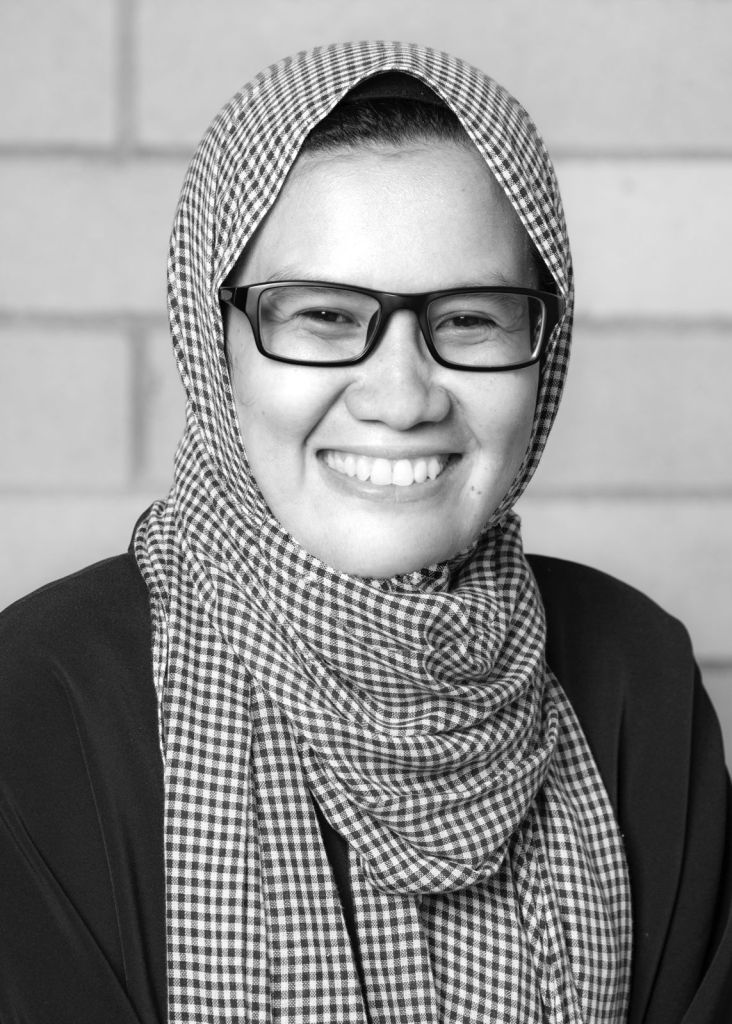
Yati Andiyani has started as an advocate since 2004 at KontraS to handle cases of human rights violations. She has served as Executive Director of The Commission for Disappeared and Victims of Violence (KontraS) in 2017-2020 period. Apart from being a practicing lawyer and member of Indonesia Bar Association, She also currently serves as vice-chairperson of The Asian Federation Against Involuntary Disappearances (AFAD), Supervisory board of the Kurawal Foundation, Board member, of the Indonesia for Humanity Foundation (IKa) and the Steering Team of Pundi Insani, Pemakna and co-founder of Rumah Akar Daya. She is also a member of the Asosiasi Pengacara Syari’ah Indonesia (APSI) advisory board. She is also known to have deep experience and expertise on human rights and transitional justice. She has great experience and attention to strengthening and empowering communities and civil society. Andriyani has served as a fellow with the Open Society Foundation -New Executive Fund (OSF-NEF), the JENESYS East Asia Future Leaders Program, Contectas Human Rights, and the Inclusive Global Leadership Initiative (IGLI).
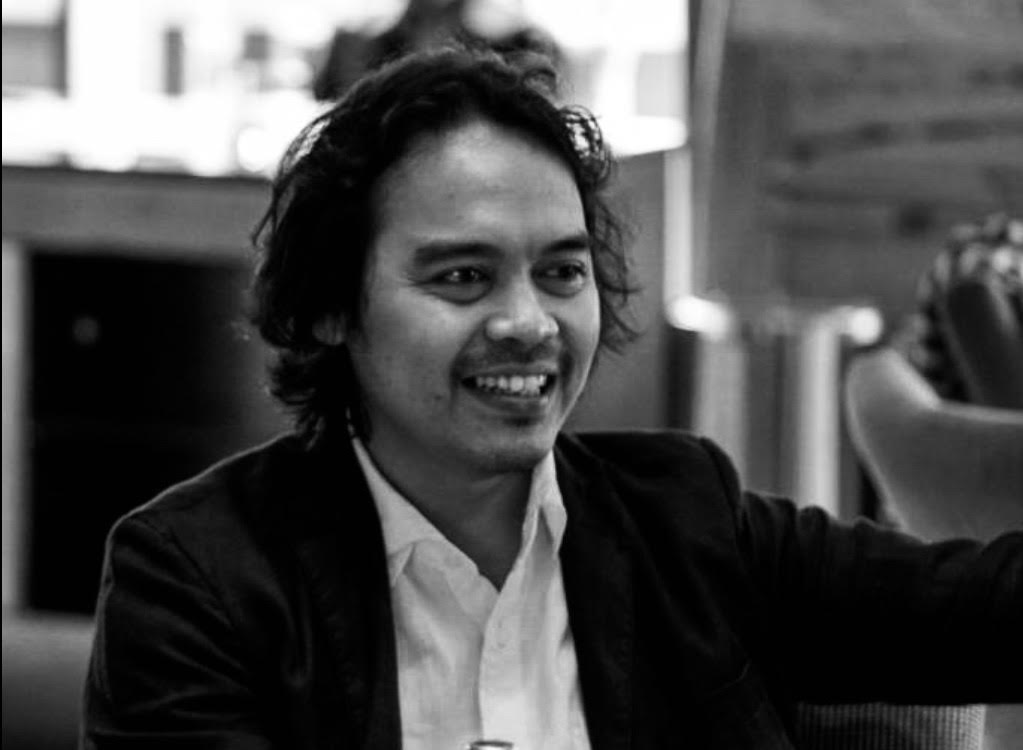
Nurkholis Hidayat has started his lawyering career as a public Interest lawyer since 2005 at the Jakarta Legal Aid Institute and served as Executive Director of The Jakarta Legal Aid Institute (LBH Jakarta) in 2009-2012. He is alumny of Law Faculty of Sebelas Maret University and Melbourne Law School. He is known to have deep experience and expertise in issues of the rule of law, judiciary, human rights, economic justice and anti-corruption. He has served as a national legal expert for access to justice and criminal justice reform at AIPJ and as a national Legal expert and consultant for the IDLO legal reform program and many more agencies, He is a co-founder for SEALaw, Lokataru Foundation, and Guyub.life. Nurkholis has served as a fellow with the Fredkorpset (FK) Norwey, Australia Award Scholarship (AAS) Australia and the International Visitor Leadership Program (IVLP)-in the USA.

